
Discovering a loose tooth as an adult can be alarming. Unlike childhood, when wiggly teeth meant an exciting visit from the tooth fairy, a loose adult tooth signals that something needs your attention right away. The good news is that with prompt action and proper dental care, many loose teeth can be saved.
This guide walks you through exactly what steps to take when you notice a loose tooth, what might be causing the problem, and how professional treatment can help restore your oral health.
Immediate Steps to Take When You Notice a Loose Tooth
The moment you realize you have a loose tooth, your actions matter. Taking the right steps immediately can make the difference between saving and losing that tooth.
1. Stop Touching It
Your first instinct might be to wiggle the tooth with your tongue or fingers to assess how loose it is.
Resist this urge.
Every time you move the tooth, you potentially cause more damage to the already compromised attachment.
2. Contact Your Dentist Right Away
A loose tooth qualifies as a dental emergency. Call your dental office and explain the situation.
Most practices will fit you in quickly for this type of concern because early intervention dramatically improves outcomes.
3. Stick to Soft Foods
Eat only soft foods until you can see your Huber Heights dentist. Biting into hard, crunchy, or chewy foods puts pressure on the loose tooth and can worsen the situation. Choose options like yogurt, mashed potatoes, smoothies, scrambled eggs, and soup. Cut any food into small pieces and chew on the opposite side of your mouth.
4. Maintain Gentle Oral Hygiene
You still need to keep your mouth clean, but be careful around the affected area. Brush gently with a soft-bristled toothbrush and rinse with warm salt water to reduce bacteria and soothe irritated gums.

What to Expect at Your Dental Appointment
When you see your dentist about a loose tooth, they will perform a comprehensive evaluation to pinpoint the underlying cause and extent of the issue. Knowing what to expect during this visit can help reduce any stress or anxiety you may feel.
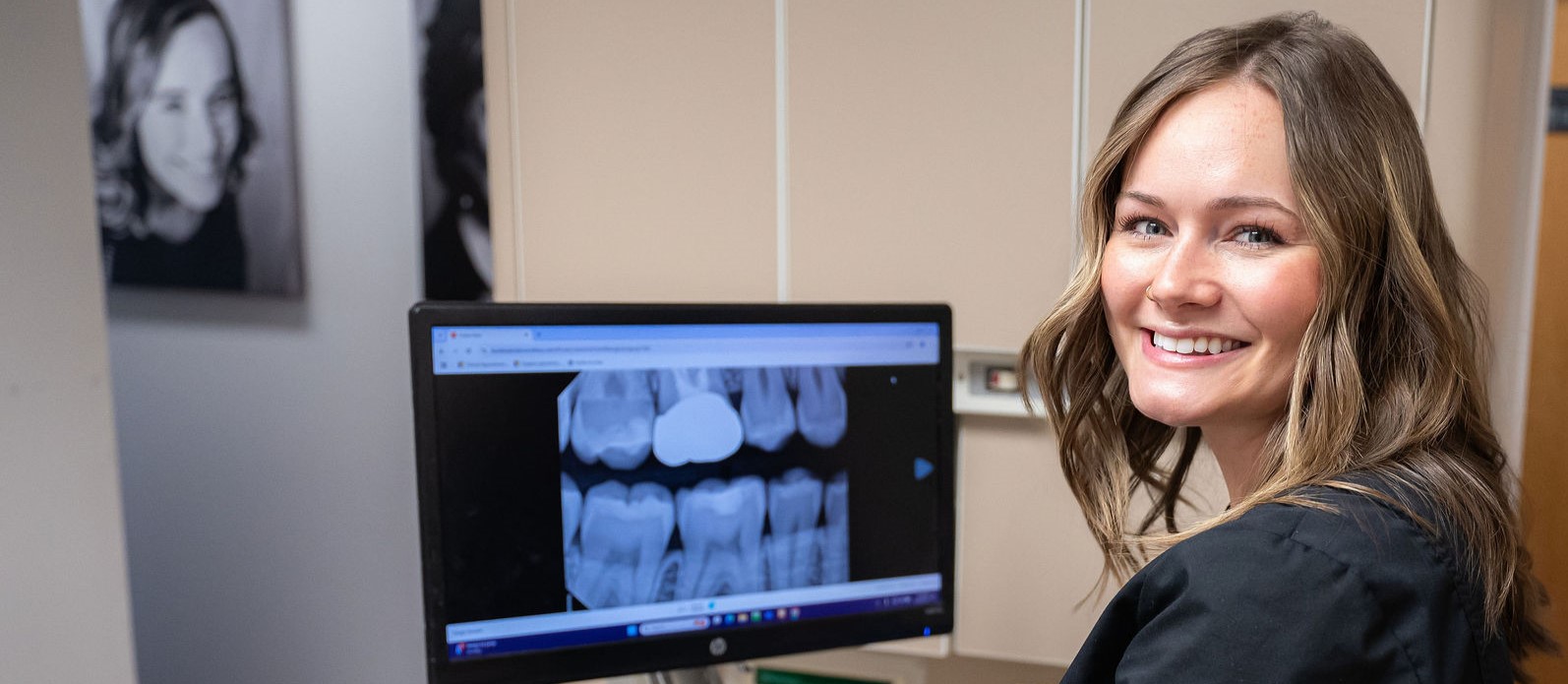
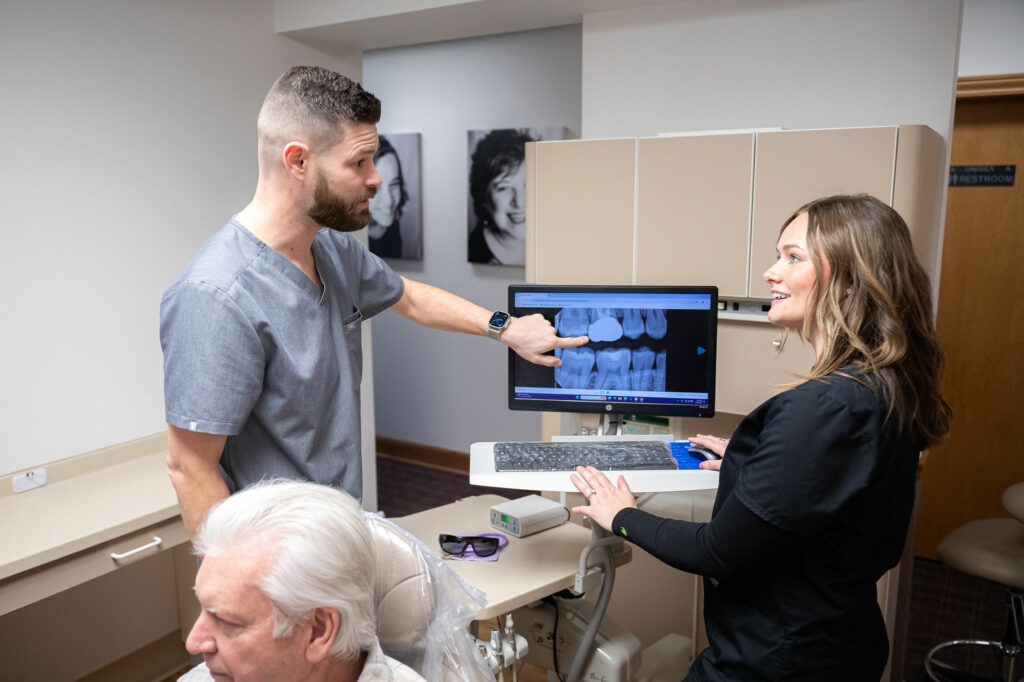
The examination begins with a visual inspection, where your dentist will gently assess the tooth’s movement. They will also measure the depth of the gum pockets, a key step in checking for signs of gum disease. To get a complete picture of the bone structure, potential infections, and the root’s health, X-rays will be taken.
The findings from this evaluation will guide your dentist in recommending a specific treatment plan. This plan is always customized, as the approach required varies significantly depending on the cause of the looseness and how advanced the problem has become.
Related Article: The Importance of Regular Check-ups: How They Can Save Your Smile
Treatment Options for Loose Teeth
Modern dentistry offers several effective treatments for loose teeth. The right option for you depends on the underlying cause and the extent of damage.
Non-Surgical Treatments
For teeth loosened by gum disease, deep cleaning often serves as the first line of treatment. This procedure, also called scaling and root planing, removes plaque and tartar from below the gum line and smooths the root surfaces. By eliminating bacterial buildup, deep cleaning allows the gums to heal and reattach to the teeth.
If teeth grinding is contributing to the problem, your dentist may recommend a custom night guard. This protective device prevents your teeth from grinding together while you sleep, reducing the constant stress on your teeth and allowing healing to occur.
Splinting offers another non-surgical option. Your dentist bonds the loose tooth to the stable teeth on either side, providing support while the surrounding tissues heal. Think of it like a cast for a broken bone—it immobilizes the area so recovery can happen.
Surgical Treatments
When non-surgical approaches aren’t sufficient, surgical intervention may be necessary. Bone grafting adds new bone material to areas where deterioration has occurred, rebuilding the foundation that supports your teeth.
Gum graft surgery takes tissue from another part of your mouth and attaches it to areas where gums have receded. This procedure covers exposed roots and provides better support for loose teeth. In cases where a tooth cannot be saved, a tooth extraction followed by replacement with a dental implant or dental bridge maintains your ability to chew properly and prevents the remaining teeth from shifting.
Preventing Future Tooth Looseness
Once you’ve addressed a loose tooth, preventing the problem from recurring becomes a priority. Strong oral hygiene habits form the foundation of healthy, stable teeth.
- Brush twice daily for two full minutes using fluoride toothpaste and a soft-bristle brush
- Floss every day to remove plaque from areas your toothbrush can’t reach
- Use an antimicrobial mouthwash to reduce bacteria throughout your mouth
- Replace your toothbrush every three to four months or sooner if the bristles become frayed
- Schedule professional cleanings every six months, or more frequently if you have a history of gum disease
- Address teeth grinding with a night guard if recommended by your dentist
- Wear a mouthguard during sports and physical activities
Lifestyle Factors That Support Strong Teeth
Your daily habits beyond brushing and flossing also influence the stability of your teeth. Making smart choices helps protect your investment in dental care.
Quit Smoking and Avoid Tobacco Products
Smoking is a major factor in the development of gum disease, the leading cause of loose teeth in adults. Quitting is one of the most effective steps you can take for your oral health, as tobacco restricts blood flow to your gums, thus hindering their ability to heal and fight off infection.
Eat a Balanced Diet Rich in Calcium and Vitamin D
Your teeth and jawbone need proper nutrition to stay strong. Calcium builds and maintains bone density, while vitamin D helps your body absorb that calcium effectively. Include dairy products, leafy greens, fatty fish, and fortified foods in your diet. When your jawbone remains strong, it provides a solid foundation for your teeth.
Limit Sugary Foods and Drinks
Sugar feeds the harmful bacteria in your mouth that cause tooth decay and gum disease. Every time you consume sugary foods or beverages, these bacteria produce acids that attack your tooth enamel and irritate your gums. Reducing your sugar intake starves these bacteria and helps maintain a healthier oral environment.
Manage Health Conditions Like Diabetes
Your overall health directly impacts your oral health. Chronic conditions, especially diabetes, heighten your risk for gum disease and can significantly slow the healing process following dental work. To improve your oral well-being, collaborate closely with your medical team to make sure these conditions are properly managed. Better systemic health translates to better oral health.
Reduce Stress to Prevent Teeth Grinding
Bruxism, the habit of clenching and grinding your teeth, is a common physical manifestation of stress. This consistent pressure can damage the supportive structures around your teeth, potentially leading to loosening over time.
To protect your teeth, it’s essential to adopt healthy stress management techniques such as exercise, deep breathing, or meditation. If you grind your teeth while sleeping, consult your dentist about getting a protective night guard.
When to Seek Emergency Care
While most loose teeth can wait for a regular dental appointment scheduled within a day or two, certain situations require immediate emergency care.
Seek emergency dental services if your loose tooth resulted from facial trauma or a significant blow to the mouth. Head to an emergency dentist or hospital if you’re experiencing severe pain that over-the-counter medication doesn’t control, or if you notice signs of infection like fever, swelling, or pus around the tooth.
If the tooth has been knocked out completely, time is critical. Place the tooth in milk or hold it in your cheek and get to a dentist within 30 minutes for the best chance of successful reimplantation.
Take Action Today to Protect Your Smile
A loose tooth requires immediate action, but it doesn’t automatically mean the tooth is lost. You can significantly improve your chances of preserving your natural tooth and keeping your smile whole by acting quickly, adhering to your dentist’s advice, and maintaining excellent daily oral hygiene.
Don’t wait to address a loose tooth. Contact our office today to schedule an evaluation. Our team is ready to help you understand what’s happening and create a treatment plan that gets your oral health back on track. Your teeth are worth protecting, and we’re here to help you do exactly that.
