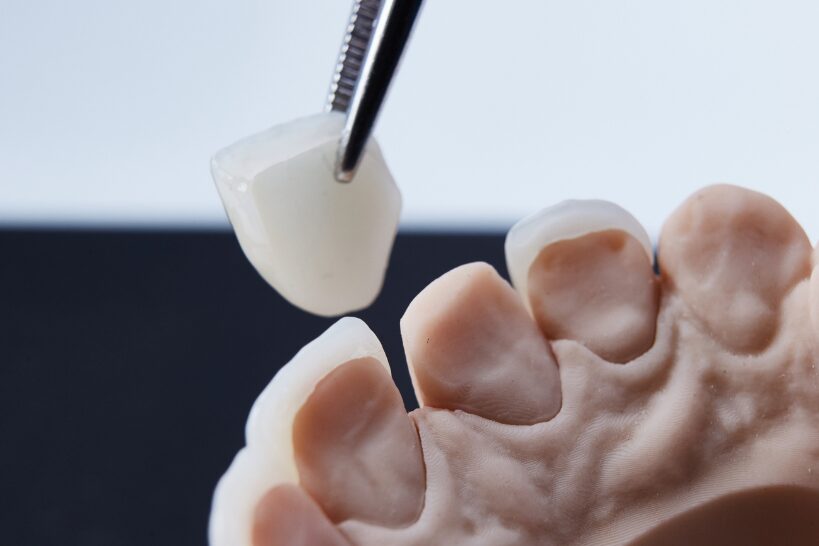
If you are getting a new crown or already have one in place, it is normal to ask how long a dental crown lasts. In most cases, a dental crown can last many years with proper care, but the exact timeline depends on the material, your bite, and the health of the tooth underneath.
At Kondas Dental Group, we help patients in Huber Heights and the Dayton area understand that the most useful answer isn’t a single number. It is a personalized estimate based on your unique bite, habits, and “oral hygiene habits. While materials like porcelain or zirconia are incredibly durable, the health of the natural tooth underneath matters just as much as the crown itself.
In this guide, we will break down typical lifespan ranges and the specific factors that determine how long your restoration stays secure. Let’s start with the realistic range and what “lasting” actually means for your long-term dental health.

How Long Can a Dental Crown Last?
How long does a dental crown last before it needs to be replaced? While 10 to 15 years is the typical service life, 20 years or more is possible with ideal maintenance. Clinically, “lasting” means more than just staying attached to the tooth.
A crown is only successful if the edges remain tightly sealed, no decay develops underneath, and the material stays free of cracks that affect your bite. Online estimates often conflict because individual bite strength, material choice, and starting tooth health differ for every patient. Now let’s talk about what changes the timeline the most: crown material and where the crown sits in your mouth.
Crown Materials and How They Affect Longevity
The material used for your crown plays a major role in how it looks, how it feels, and how well it holds up over time. Some materials are better for front teeth, while others are better for back teeth that handle more pressure.
- Porcelain/Ceramic: Often chosen for front teeth because it blends naturally with your smile, though it may be more likely to chip under heavy pressure.
- Lithium Disilicate (E.max): A strong, natural-looking option commonly used when appearance is a priority.
- Zirconia: A durable, metal-free material often recommended for molars and other areas that handle strong chewing forces.
- PFM (Porcelain-Fused-to-Metal): Combines a metal base with a tooth-colored outer layer, though the metal edge may become more visible if the gums recede.
- Gold Alloy: A long-lasting option sometimes used for back teeth where appearance is less of a concern.
Tooth location also matters. Back teeth usually handle more chewing pressure than front teeth, so stronger materials are often recommended for molars. If you grind your teeth, your dentist may also recommend a nightguard to help protect your crown. You can learn more about our dental crown options when deciding which restoration is right for you.
Temporary Crowns: How to Protect Your Smile While You Wait
A temporary crown protects your tooth while your permanent restoration is being made. It is designed for short-term use and is usually worn for a few days to a few weeks while you wait for your final crown. To keep it secure, avoid:
- Sticky foods and gum
- Chewing ice
- Biting down hard on that side to “test” it
If your temporary crown comes off, save it and call our office as soon as possible. Do not try to reattach it with superglue or store-bought products.
What Shortens the Lifespan of a Dental Crown?
One of the most common reasons crowns need to be replaced is decay around the margin, which is where the restoration meets your natural tooth. Even when the crown material is strong, the area along the edge can still become vulnerable if plaque builds up or the seal is compromised. Common factors that can shorten crown lifespan include:
Edge decay
Plaque buildup around the crown can lead to cavities near or under the restoration.
Bruxism
Clenching and grinding can place too much pressure on the crown and tooth.
Improper fit
A bite that feels too high can overload the restoration and surrounding tooth structure.
Gum recession
Receding gums can expose the crown margin and make it easier for bacteria to collect around the edge.
Dental cement does not usually fail on a predictable schedule. If a crown keeps loosening, the problem may be related to decay, bite pressure, or the way the restoration fits rather than age alone. Avoid DIY glue or over-the-counter repair kits, since they can damage the tooth and delay proper treatment.
Tooth location matters as well. Molars usually take on more chewing force, while front teeth may be more likely to chip from habits like nail-biting or chewing on hard objects. Good daily habits and regular dental visits can help extend the life of your crown.
How to Care for Your Crown: A Maintenance Checklist
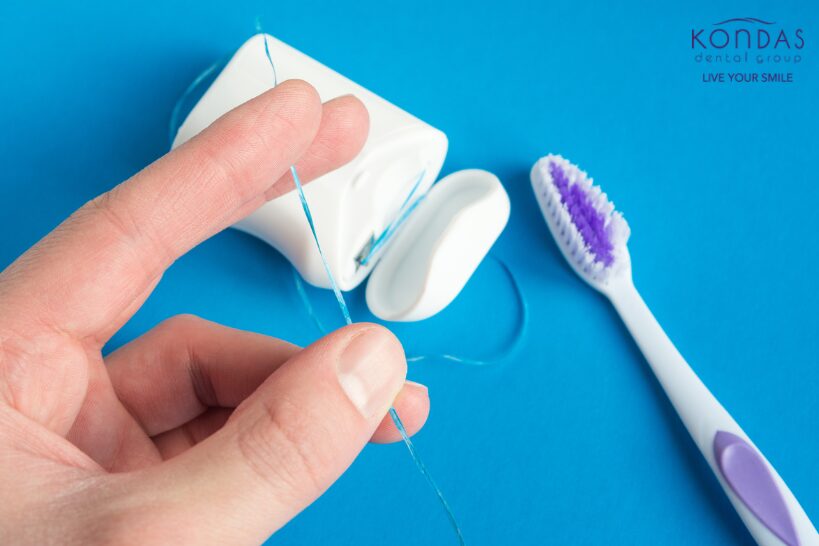
Daily care plays a major role in how long your crown lasts. Follow these habits to help protect your restoration:
- Brush twice a day with fluoride toothpaste.
- Floss daily, especially around the gumline.
- Wear a nightguard if you clench or grind your teeth.
- Avoid chewing ice or using your teeth as tools.
At Kondas Dental Group, our services allow us to evaluate the condition of your crown and the surrounding tooth. If something feels off, it’s best to have it evaluated early before it turns into a bigger problem.
How to Help Your Crown Last Longer
A long-lasting crown depends on more than the material alone. Even strong restorations such as zirconia or E.max still rely on a healthy tooth underneath and a stable seal around the edges. If decay, grinding, or bite problems affect that foundation, the crown may need repair or replacement sooner.
Here are a few practical ways to help your crown last longer:
- If you are choosing a new crown: Choose a material that fits the location of the tooth and the amount of bite pressure it will handle.
- If you already have a crown: Keep the area around the margin clean with daily brushing and flossing, and wear a nightguard if you grind your teeth.
- If something feels wrong: Do not wait to have it checked. A loose crown, bite discomfort, or sensitivity may be easier to address when caught early.
A crown should be replaced based on its condition, not just on a timeline. Regular exams help determine whether a restoration is still functioning well or needs attention.
If you have questions about a current crown or need an evaluation, learn more about our dental crowns or request an appointment online. You can also call our Huber Heights office at 937-787-5062.

Frequently Asked Questions
How long does a dental crown last on average?
A dental crown typically lasts between 10 and 15 years, although many restorations remain functional for 20 years or longer with excellent care. This “average” lifespan is highly dependent on your personal oral hygiene and the amount of wear and tear the tooth receives. Factors such as your bite alignment, the material of the crown, and the health of the natural tooth structure underneath all contribute to how long it stays secure.
How long does a porcelain dental crown last?
Most porcelain or ceramic crowns last about 10 to 15 years. They are favored for their natural appearance and ability to mimic the light-reflecting qualities of real enamel. However, because porcelain is a glass-like material, it is more prone to chipping than metal or zirconia if you clench your teeth or chew on hard objects like ice.
How long does a porcelain dental crown last compared to zirconia?
Zirconia crowns generally offer greater longevity than porcelain, often lasting 15 to 20 years because of their immense structural strength. While porcelain or E.max is often the preferred choice for front-tooth aesthetics, zirconia is frequently selected for back molars that must withstand heavy chewing forces. The best choice for your situation depends on the location of the tooth and the intensity of your bite.
How long does a temporary dental crown last?
A temporary dental crown is designed to last only two to three weeks while your permanent restoration is being crafted in a laboratory. These placeholders are attached with a light, temporary cement so they can be easily removed during your follow-up visit. If a temporary crown becomes loose or falls off early, call your dentist immediately rather than trying to “tough it out,” as the exposed tooth can quickly become sensitive or shift position.
How long does dental cement last on a crown?
Dental cement is intended to provide a permanent bond for the entire life of the restoration, but it can fail if moisture or bacteria reach the seal. When the margin of a crown develops a gap due to gum recession or decay, the cement can wash out and cause the crown to loosen. If a restoration comes off, avoid using DIY glues or over-the-counter kits. At Kondas Dental Group, we provide professional evaluations to determine if a crown can be safely recemented or if the tooth requires a new restoration.
What are signs my crown needs to be replaced instead of adjusted?
Signs that a crown requires replacement include persistent pain when biting, sensitivity to temperature, or a visible crack in the ceramic. You may also notice a dark line at the gumline, a recurring bad taste, or food constantly getting trapped at the edge of the tooth. If the gum tissue around the crown appears chronically red or inflamed, it often indicates that the seal has failed and bacteria are gathering under the restoration.
If you notice any warning signs, schedule an evaluation before the problem gets worse. You can request an appointment online or call our office at 937-787-5062.
