
While you can’t fully reverse periodontitis, you can absolutely stop its progression and restore your oral health with the right treatment approach.
Let’s break down exactly what this means for your teeth and gums and what steps you can take starting today.
What is the Difference Between Gingivitis and Periodontitis?
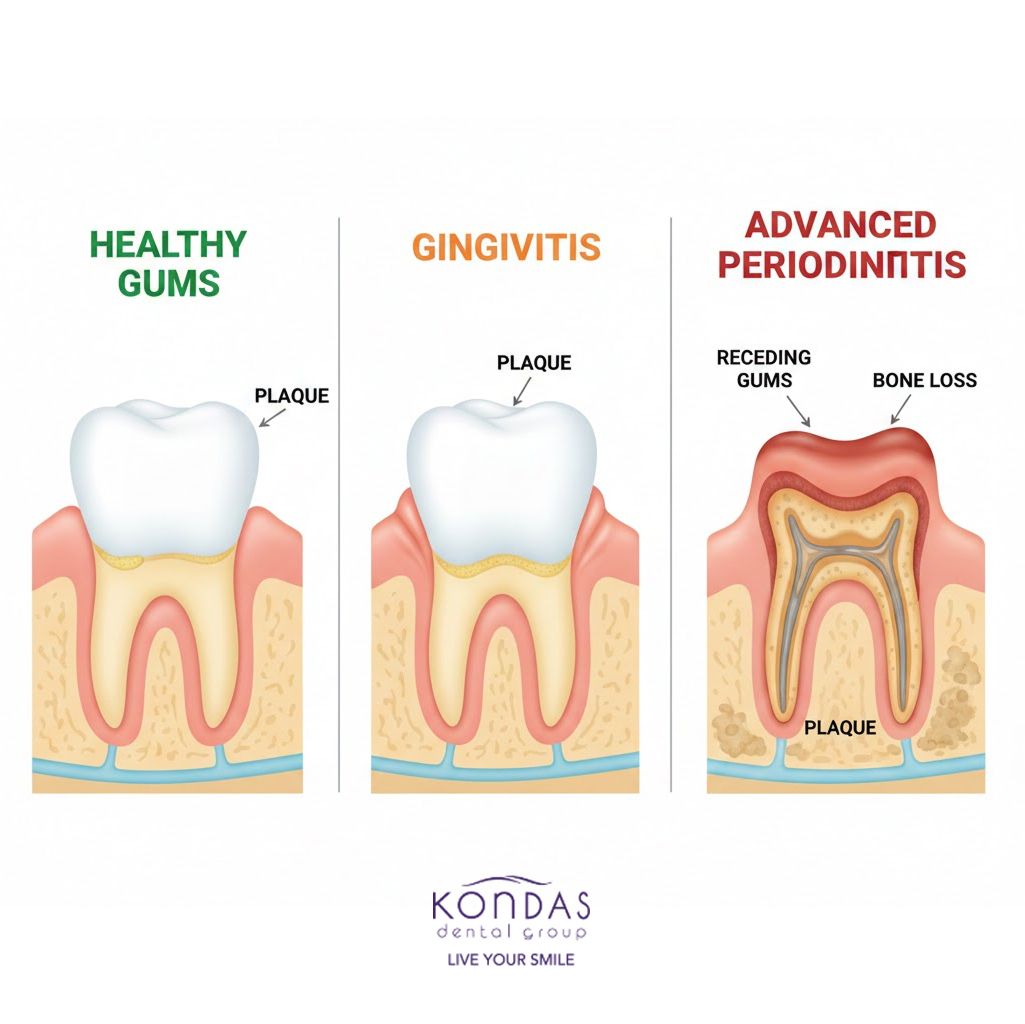
Gum disease progresses in stages. The initial stage, gingivitis, is a mild, reversible inflammation. It’s characterized by gums that are red, swollen, and may bleed during brushing. Crucially, at this point, the bone and connective tissue supporting the teeth remain undamaged. Gingivitis can be completely reversed through professional cleanings and better oral hygiene.
However, when the condition advances to periodontitis, it becomes more serious. The infection has spread beneath the gum line, leading to the destruction of the bone and fibers that secure the teeth. This process forms pockets between the gums and teeth, creating a breeding ground for bacteria. Unfortunately, this bone loss is permanent, as the tissue cannot regenerate on its own.
Therefore, while the technical answer to “Can you reverse periodontitis?” is no—you cannot undo existing bone loss—it’s important to understand that there are still effective treatment options and hope available.
What You Can Actually Achieve With Treatment
While true reversal of the damage caused by periodontitis is not possible, the available periodontal treatments achieve an equally vital goal: managing and stabilizing the disease. By committing to proper intervention, patients can halt the progression of periodontal disease, prevent further bone loss, eliminate active infection, and preserve their natural teeth for many years.
A diagnosis of periodontitis does not have to mean losing your smile. In fact, many patients who follow a consistent treatment and ongoing maintenance plan live with healthy, functional smiles. The most crucial factor is taking action before the disease advances to the point where tooth loss becomes inevitable.
In essence, you may not be able to regenerate the tissue and bone that has already been lost, but you absolutely can safeguard what remains and prevent the situation from worsening.
Professional Treatment Options That Work
Your dentist or periodontist has several effective tools for bringing periodontitis under control. The specific approach depends on how advanced your condition has become.
Scaling and Root Planing
For moderate periodontitis, scaling and root planing serve as the gold standard initial treatment. This deep cleaning procedure goes far beyond a regular dental cleaning.
During scaling, your dental professional removes plaque and tartar deposits from above and below the gum line, reaching into those infected pockets.
Root planing then smooths the tooth root surfaces, making it harder for bacteria to reattach and helping your gums heal against the teeth.
Most patients require local anesthesia during this procedure, and your mouth may be treated in sections over multiple appointments. While you might experience some sensitivity afterward, scaling and root planing prove highly effective at reducing pocket depths and eliminating bacterial infection.
Surgical Interventions
When periodontitis has progressed significantly, surgical treatment may become necessary. Flap surgery allows your periodontist to lift back the gums, remove tartar from deep pockets, and then secure the tissue snugly against the tooth. In some cases, bone grafting can help regenerate lost bone tissue, and guided tissue regeneration encourages your body to regrow bone and connective tissue.
These procedures sound intimidating, but they’re performed routinely and can make a dramatic difference in your prognosis.
Antibiotic Therapy
Your dentist may also prescribe antibiotics, either in pill form or as a gel applied directly to the pockets, to help eliminate stubborn bacterial infection. This approach works best when combined with mechanical cleaning rather than used alone.
Your Role in Managing Periodontitis
Professional treatment forms the foundation, but your daily habits determine long-term success. Here’s what you need to commit to:
- Brush twice daily using a soft-bristled toothbrush, angling the bristles toward the gum line to clean where bacteria accumulate
- Floss every single day without exception, reaching below the gum line between each tooth
- Use an antiseptic mouthwash to reduce bacterial load throughout your mouth
- Quit smoking immediately if you currently use tobacco, as smoking dramatically impairs healing and accelerates bone loss
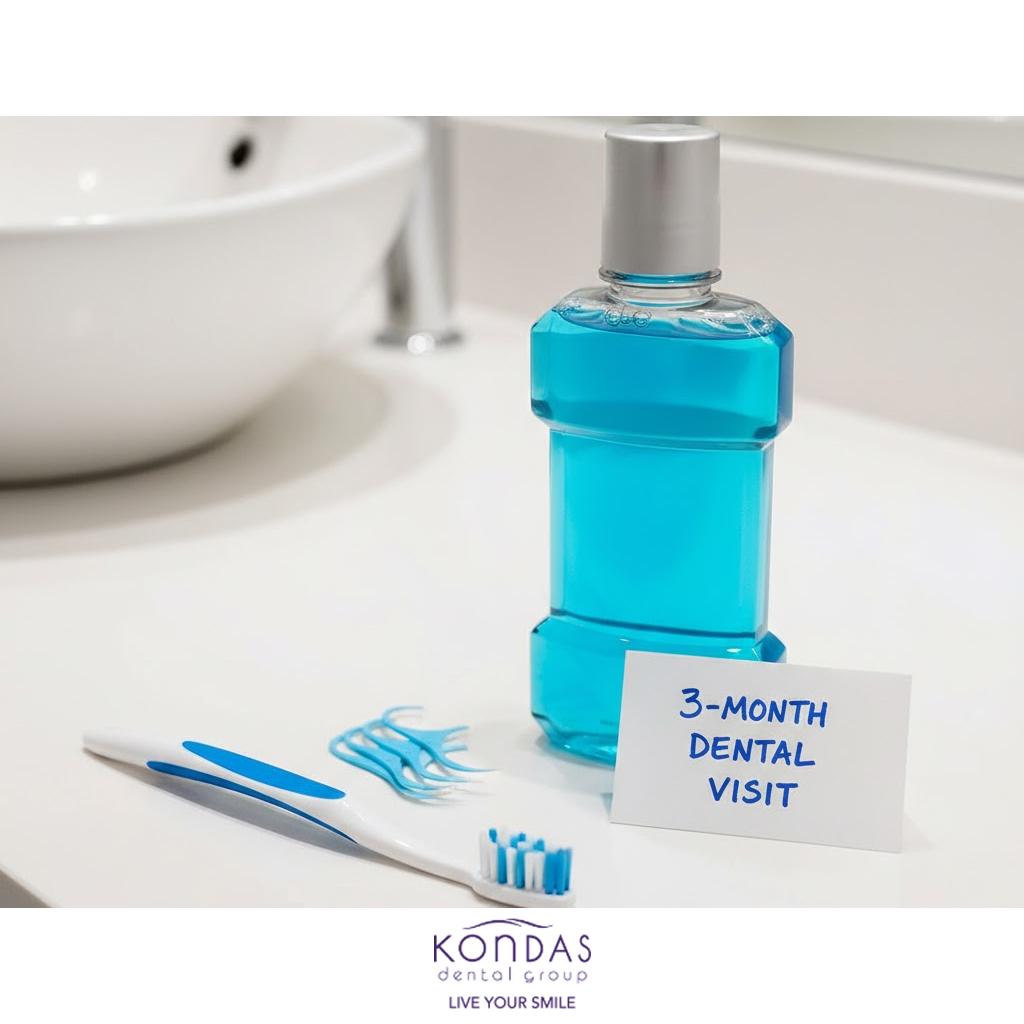
- Attend all maintenance appointments as scheduled, typically every three to four months rather than the standard six-month interval
These aren’t mere suggestions; they are the essential requirements for effective control of periodontitis.
Warning Signs You Shouldn’t Ignore
Periodontitis often develops silently, which is why regular dental visits matter so much. However, certain symptoms should prompt you to schedule an appointment right away:
- Persistent bad breath that doesn’t improve with brushing
- Gums that bleed easily, appear red, or look swollen
- Gum tissue pulling away from your teeth
- Loose teeth or shifting in your bite
- Pain while chewing
- Increased tooth sensitivity
The earlier you seek treatment, the more of your natural tooth structure and bone you can preserve.
The Importance of Ongoing Maintenance
Successfully managing periodontitis isn’t a one-time achievement. It’s a lifelong commitment. Even after your initial treatment brings the disease under control, you’ll need more frequent professional cleanings than someone without periodontal disease.
These maintenance visits, called periodontal maintenance appointments, allow your dental team to monitor pocket depths, remove any bacterial buildup before it causes new damage, and catch any signs of disease recurrence early. Skipping these appointments puts all your progress at risk.
Most periodontitis patients do well with appointments every three to four months, though your dentist will recommend the schedule that makes sense for your specific situation.
Taking the First Step Toward Better Oral Health
If you suspect periodontitis or haven’t seen a dentist, act now. Delay causes further damage.
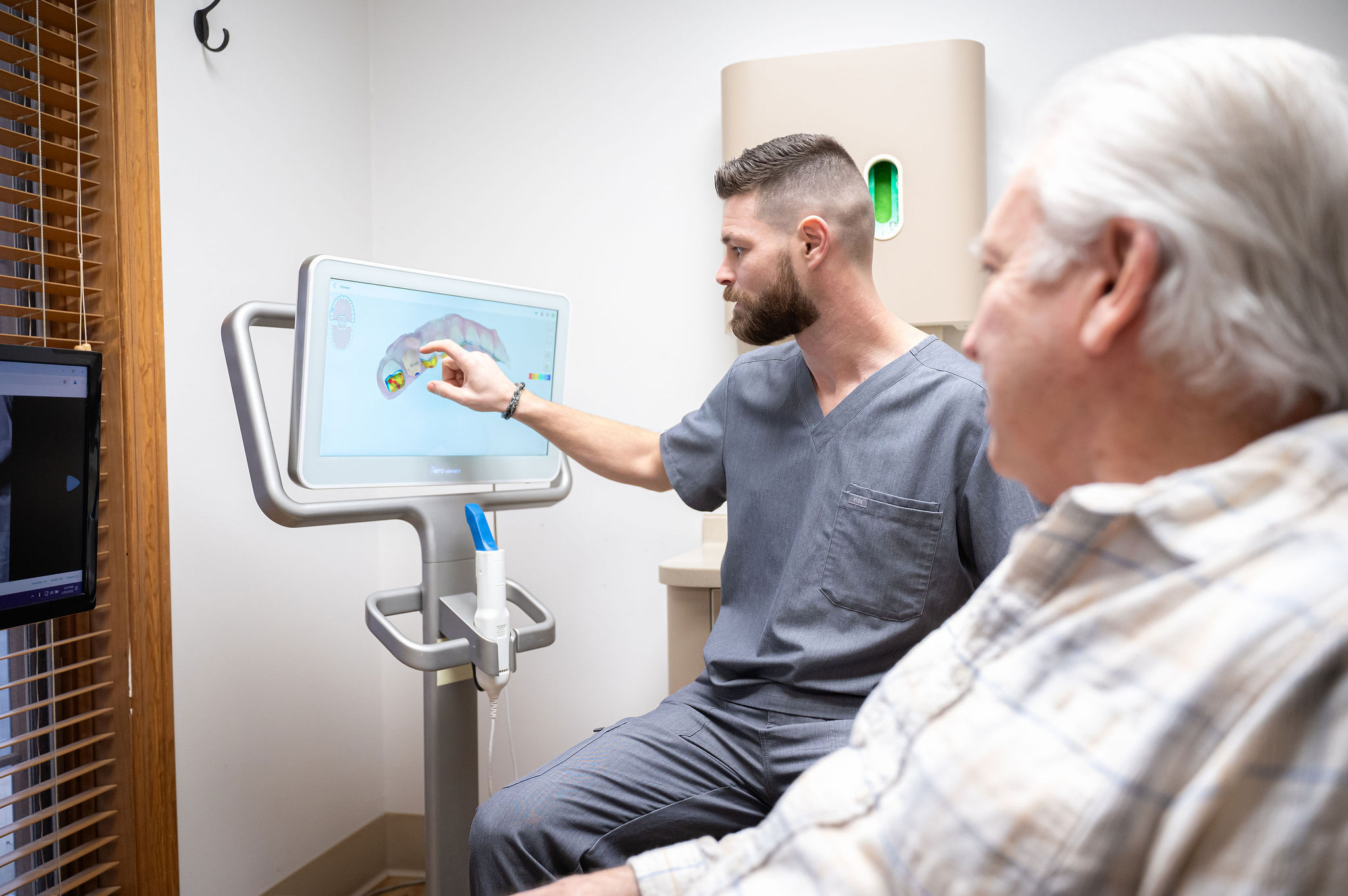
Your appointment will include pocket measurements, X-rays for bone loss assessment, and a personalized treatment plan. You will leave with a clear understanding of your condition and next steps.
While a complete reversal may not be possible, you can control your oral health. Modern treatments are highly effective, and managing this condition is common. Ready to take control? Contact us for a comprehensive periodontal evaluation. Our team will help you understand your options and create a path to a healthier mouth.
